Porsche 911 GT3: What Changed and Why It Matters
The latest Porsche 911 GT3 aims squarely at drivers who spend more time on track than in traffic. The new model emphasizes weight reduction, sharper handling, and an engine tuned for high rpm response.
This article explains the key design choices, performance traits, and practical ownership notes you need to know if you are considering a Porsche 911 GT3 for track use or collection.
Porsche 911 GT3: Track-Focused Design
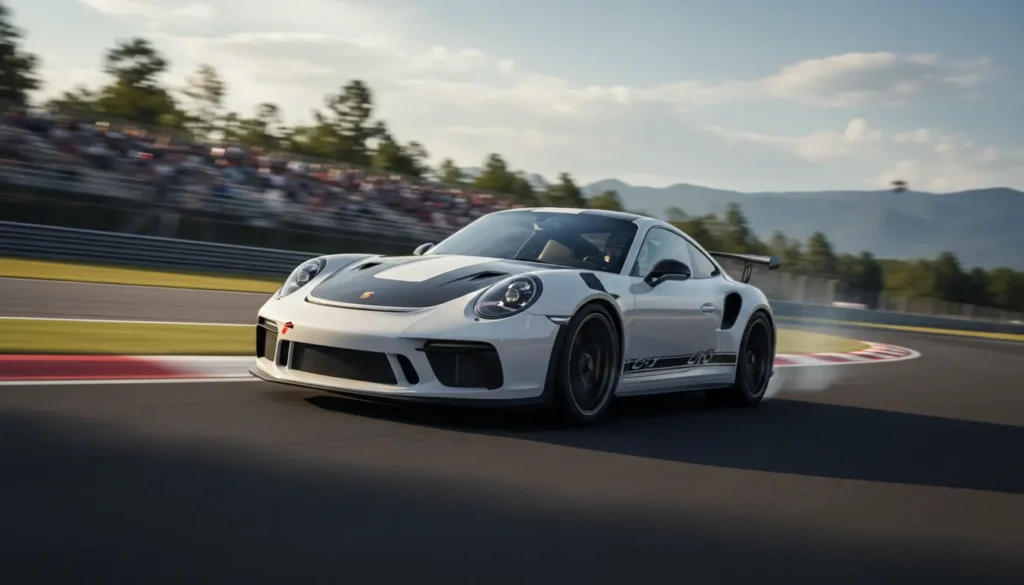
Porsche engineers focused on chassis rigidity, aerodynamic efficiency, and component lightening to deliver a car built for repeated track sessions. The bodywork and underbody balance downforce with low drag to keep lap times consistent.
Drivers notice quicker turn-in, more predictable behavior under braking, and improved stability at high speed. These are deliberate changes to make the car faster on a lap and easier to extract performance from.
Porsche 911 GT3 Lightweight Build
Weight reduction is a core part of the GT3 package. Engineers remove or replace components to reduce mass while keeping structural integrity. The result is a car that feels more immediate and brakes with less effort.
- Common weight-saving measures: carbon fiber body panels, lighter wheels, reduced sound insulation, and optimized interior trim.
- Benefits include better braking performance, quicker directional changes, and reduced tire wear during track sessions.
- Note: lighter chassis also requires careful setup to maintain predictable handling across different track conditions.
Porsche 911 GT3 Performance: Screaming Engine and Transmission
The GT3 keeps a focus on a high-revving engine that delivers power in a linear, driver-friendly way. The engine’s characteristic sound and rev range are part of the car’s appeal at the track.
Transmission choices and gear ratios are chosen to match track use, with shifts engineered for minimal interruption to power delivery. That setup helps maintain momentum and makes consistent lap times easier to achieve.
Porsche 911 GT3 Engine Characteristics
Expect a naturally aspirated layout tuned for quick throttle response and a broad, usable powerband. The focus is on driver feedback rather than peak horsepower numbers alone.
- High-rev operation provides sharper throttle response and a distinctive exhaust note.
- Durability and cooling are prioritized for repeated hard sessions at the track.
- Engine management supports track assist systems like launch control and multiple traction modes.
Porsche 911 GT3 Limited Edition Vibes and Collectibility
Porsche often introduces limited runs, special colors, or numbered plaques to create a stronger collector appeal. Limited edition cues can be subtle but meaningful to buyers and future valuation.
Collectors and enthusiasts value the combination of exclusivity and driver-focused hardware. Limited edition variants often include unique trim, lighter components, and dedicated paint or interior packages.
Porsche 911 GT3: Who Benefits from a Limited Edition
Limited editions tend to suit buyers who want both a high-performance tool and a rare asset. Track drivers who also collect cars can benefit from the added uniqueness without sacrificing performance.
- Owners who plan to keep and drive the car enjoy differentiated styling and potential long-term value.
- Buyers focused only on lap times should compare options by component specification rather than exclusivity alone.
Practical Tips for Porsche 911 GT3 Owners
Owning a GT3 designed for the track requires a plan for maintenance, setup, and storage to protect the investment. Small changes in prep and routine maintenance deliver big returns in reliability and performance.
- Regularly check suspension and brake components after track sessions to spot wear early.
- Choose tires and brake pads matched to your typical track conditions; compound selection changes lap times dramatically.
- Consider a dedicated track-day setup: adjust tire pressures, camber, and damper settings for the specific circuit.
- Use a reputable Porsche specialist for service to maintain warranty and parts authenticity.
Maintenance Checklist
Basic checks after a track day include fluid levels, tire condition, wheel alignment, and brake pad thickness. Keeping a log of changes helps when comparing setups over time.
Proper storage and seasonal servicing keep the engine and mechanical systems in peak condition when the car is not used for extended periods.
Porsche GT3 models emphasize a naturally aspirated engine and chassis tuning that favor driver control and immediate throttle response, not just peak horsepower.
Real-World Example: Track Day Use Case
A privateer club team introduced a lightly modified GT3 to a regional endurance series to evaluate its strengths. With focused setup changes such as track compound tires and revised damper settings, the team found the car’s consistency across long stints improved noticeably.
After three events, the team reported fewer brake issues and more consistent lap times, allowing them to focus on strategy rather than mechanical management. The GT3’s construction made it easier to maintain pace over multiple sessions.
Final Notes on Buying and Using a Porsche 911 GT3
If you plan to drive the car on track regularly, prioritize service history, setup options, and the availability of factory or aftermarket support. Limited edition status can be a plus, but ensure the car’s mechanical package matches your needs.
Use a measured buying approach: evaluate the car on its handling, engine condition, and how well it fits your track routine. With correct care, a Porsche 911 GT3 is a capable track tool and a collectible sports car that rewards attentive ownership.