2026 Chevrolet Blazer EV: What to Expect
The 2026 Chevrolet Blazer EV arrives as a sporty electric SUV that mixes aggressive styling with modern tech. It targets buyers who want the look and feel of a performance SUV while moving to battery-electric power.
This article breaks down the Blazer EV’s styling, performance, technology, charging, and practical ownership points so you can evaluate if it fits your needs.
Key Highlights of the 2026 Chevrolet Blazer EV
- Sporty exterior design with aggressive front fascia and coupe-like roofline.
- Multiple powertrain options including single-motor and dual-motor setups.
- Quick acceleration for higher trims and focused driving dynamics.
- Modern infotainment, driver aids, and over-the-air updates.
- Fast-charging capability and competitive EPA range targets.
Design and Styling of the Blazer EV
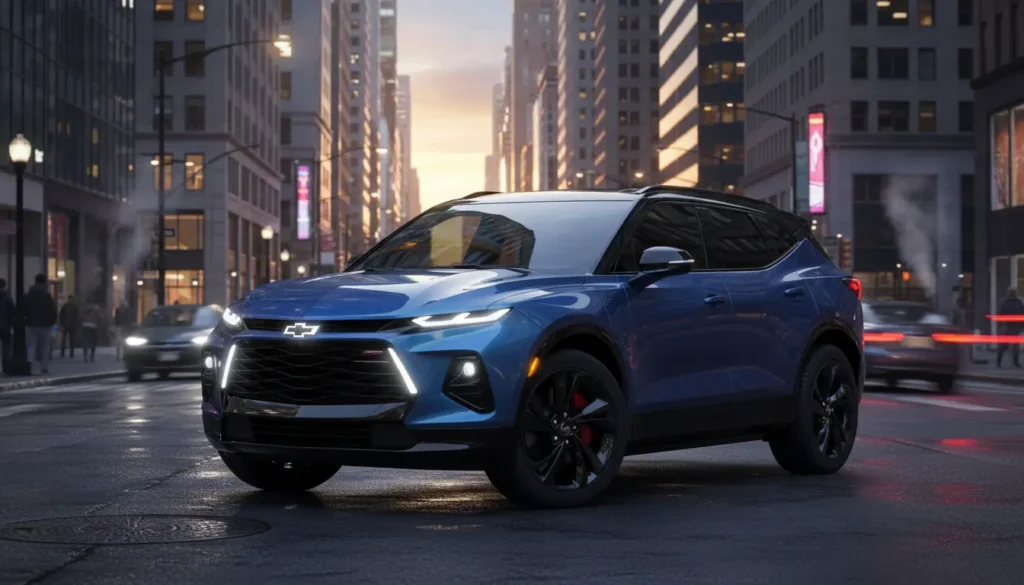
The 2026 Chevrolet Blazer EV emphasizes athletic proportions and a bold face. The front end features a closed grille area with sharp lighting signatures to give a muscular look.
Inside, the cabin blends driver-oriented ergonomics with a minimalist dash. Materials and fit vary by trim, but expectations include a large central display and available digital instrument cluster.
Exterior Details
- Aggressive bumper and hood lines for a performance stance.
- Available 20-inch and larger wheel options for a sporty profile.
- Integrated aerodynamic touches to help efficiency without compromising looks.
Performance and Quick Acceleration
The Blazer EV is offered with different motor configurations. Entry-level trims focus on efficiency, while higher trims deliver quicker acceleration for spirited driving.
Chevrolet tunes the chassis for sharp response, with drive-mode selections to switch between comfort and more dynamic setups.
Quick Acceleration Details
- Dual-motor versions deliver instant torque at low speeds for strong off-the-line acceleration.
- Higher trims are positioned to compete with sporty electric crossovers, offering brisk 0–60 mph performance.
- Regenerative braking modes help tailor deceleration feel and recover energy during city driving.
Battery, Range, and Charging
Battery options are tuned for a balance between usable range and performance. Chevrolet aims to provide range figures that cover daily driving and occasional longer trips without frequent top-ups.
Fast charging lets drivers add significant range in shorter stops, useful for road trips and busy schedules.
Charging and Practical Range
- Level 2 home charging for overnight top-ups is recommended for most owners.
- Public DC fast charging support reduces long-trip downtime and can typically add a large share of range in 20–40 minutes, depending on charger capability.
- Charging network compatibility and onboard charging rates vary by market and trim; check dealer specs for exact numbers.
Technology and Driver Assistance
The Blazer EV integrates modern infotainment and driver assistance systems. A large touchscreen anchors the center stack with smartphone integration and voice controls.
Advanced driver assistance features are available, including adaptive cruise, lane-keeping aids, and safety alerts. Over-the-air software updates help keep the system current without dealer visits.
Infotainment and Connectivity
- Large high-resolution touchscreen with wireless Apple CarPlay and Android Auto.
- Multiple USB ports, wireless charging pad, and available premium audio systems.
- Connected apps for remote climate control, charging management, and vehicle status.
The Blazer EV uses General Motors’ Ultium battery architecture, the same scalable platform that supports several GM electric models. This design helps balance cost, charging speed, and energy density across trims.
Practical Considerations for Ownership
When evaluating the 2026 Chevrolet Blazer EV, consider your typical driving patterns, charging access, and local incentives. These factors affect real-world cost and convenience.
Storage and towing vary by configuration; the Blazer EV is targeted more at on-road performance and daily use than heavy-duty towing in base trims.
- Check local incentives and tax credits that reduce purchase cost.
- Evaluate home charger installation costs and available public chargers near your routes.
- Consider trim choice for a balance between range and acceleration.
Case Study: Daily Commute and Weekend Trip
Jane, a software engineer, switched to a Blazer EV for her 30-mile daily commute. She charges at home overnight using a Level 2 charger and rarely needs public fast charging during the week.
On a weekend road trip of 220 miles, Jane used a DC fast charger midway and added 60–70 percent battery in about 30 minutes, making the trip convenient and comparable in time to a gasoline stop.
Cost, Trim Choices, and Availability
Chevrolet plans a range of trims to address buyers from budget-conscious to performance-focused. Standard features increase with trim level, while higher trims add powertrain upgrades and premium materials.
Availability depends on regional allocation and production schedules. Prospective buyers should contact local dealers for test drives and exact ordering information.
Summary and Buying Tips
The 2026 Chevrolet Blazer EV is positioned as a sporty electric SUV that blends aggressive styling with modern EV technology. It’s a practical choice for drivers who value design and quick acceleration while wanting electric efficiency.
Before buying, test-drive different trims, compare real-world range in your driving conditions, and calculate home charging needs. Reviewing local incentives and dealer offers will help determine the best value.
For buyers seeking an electric SUV with a performance edge and up-to-date tech, the Blazer EV is worth a close look. Confirm local specs and test drive to match the model to your priorities.